(877) 773-0781

Low Water Pressure Repair in Suquamish, WA 98392

At waterfront residences in Suquamish, a weak shower stream can make everyday water use frustrating. Our crew traces the pressure loss before recommending a repair, checking the supply path and plumbing conditions that fit the home.

Near Suquamish Elementary School, summer heat can raise household water demand; if several fixtures run together, note which taps lose flow so we can reproduce the change during testing. Spring snowmelt can affect regional water supplies, so a seasonal change is useful context when we compare pressure readings rather than a reason to assume a pipe has failed. We also help customers in Agate Point and Port Madison.

The Suquamish Museum and Suquamish Public Library are familiar points for arranging local visits. Our team serves Suquamish and can dispatch through our Suquamish, WA routing network. Call (877) 773-0781 to describe what changed and arrange a pressure check.

Licensed & insured Low Water Pressure Repair in Suquamish, WA
1 State
300 Cities served
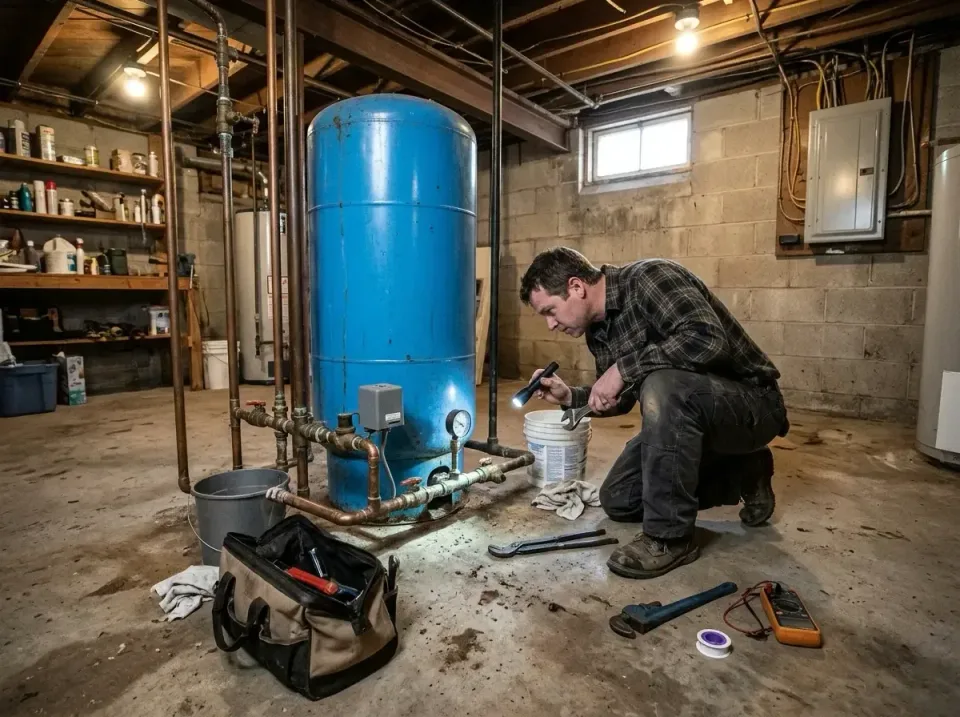
Water Pressure Tank — Basement — Water Pressure Tank, Plumber, Pipe Wrench, Basement, Plumbing
About Us

Who Repairs Low Water Pressure in Suquamish, WA?

Suquamish homes around the Suquamish Museum include properties where low winter temperatures can affect crawlspace plumbing; a chilly or difficult-to-access crawlspace can shape how we inspect a pressure problem. Cold snaps also increase the risk of frozen plumbing, so we ask whether the loss began during a cold spell before opening walls or replacing parts.

We begin with measurements, explain what they show, and offer clear repair options suited to the property. For homes near Suquamish Elementary School, our team can coordinate access and water shutoff timing with occupants; call (877) 773-0781 to schedule.

Low Water Pressure Repair Services

What Pressure Problems Do Suquamish Homes Need Fixed?

A shower that weakens when two taps run points to a different issue than one slow faucet. In Suquamish, Puget Sound humidity can encourage condensation in cool spaces, so our crew checks accessible piping and nearby surfaces without treating moisture alone as proof of a leak. You can safely compare one faucet with another and note whether cold and hot flow differ.

A second-floor faucet that barely runs may need a measured pressure check; our team compares static and flowing readings before choosing a repair. Windstorms can interrupt power to an electric booster pump, so after an outage, check whether the pump has power without opening its casing.

We trace restrictions, leaks, and equipment faults, then explain a fitting repair. Coverage includes ZIP codes 98392 and 98370.

Suquamish, WA Local Landmarks

How to Check Coastal Homes for Pressure Loss

A sudden pressure drop after plumbing work deserves a pressure test, not guesswork. Around the Suquamish Public Library, Suquamish homes may have coastal exposure; wildfire smoke can affect outdoor service conditions, so our crew plans exterior inspection work around visibility and air conditions while keeping the diagnosis focused on the water system.

If a main line leak is suspected, we compare pressure and inspect accessible areas before recommending repair. Residential pressure above 80 psi calls for pressure reduction; our team verifies readings and evaluates the appropriate adjustment rather than turning a valve by feel.

After a meter replacement, if flow is still low, check whether the change affects every fixture and tell us when it started. We can then narrow the next test and explain findings plainly.

Suquamish, WA Local Landmarks

Neighborhoods We Serve in Suquamish

In Agate Point, a weak stream at several fixtures is a reason to compare whole-home flow before assuming one faucet is clogged; our crew checks the supply path and asks whether the change followed plumbing work.

In Port Madison, waterfront residences may have different access needs, so we arrange entry to the meter and plumbing areas before testing. If hot water alone runs slowly, you can compare it with cold at the same faucet and share that result with us.

In Seabold, moisture-exposed siding makes careful exterior inspection important when a leak is suspected; our team looks for pressure evidence before recommending opening or replacing anything. Suquamish Museum is a familiar local reference when coordinating visits. Seattle annual rainfall averages roughly 38 inches, but that regional figure does not diagnose an individual home; we base repair decisions on its measured pressure and observed flow.

Why us

Local Low Water Pressure Repair in Suquamish, WA

Get a cause-first assessment and repair options explained in plain language.

Cause Before Repair

Technicians check likely sources, including regulators, valves, clogged lines, leaks, pumps, and fixtures. You hear what they find and which repair options fit your home before work begins.

Suquamish Home Know-How

Experience with Seattle-area homes helps the team account for aging pipes, mineral scale, and changing water conditions when diagnosing low pressure in Suquamish.

Clear Coordination

The team confirms symptoms and property details while coordinating appointments across Washington. You know what to expect from the visit and can discuss the repair scope with the technician.

Our process

How a visit works

From the first conversation through retesting, each step helps clarify the cause and repair.

01

Discuss Symptoms

The team confirms where pressure is low and gathers property details before dispatch. You get a visit planned around the symptoms you report.

02

Check Pressure

The technician locates the main shutoff and records static and flowing pressure. You get a clearer picture of how pressure behaves before adjustments or repairs.

03

Inspect Likely Causes

The technician checks relevant regulators, lines, leaks, pumps, and fixtures, protecting nearby floors and cabinets. You hear the findings and available repair options.

Typical jobs

Typical jobs in Suquamish, WA

Typical job

A homeowner reports weak shower flow throughout

The technician records static and flowing pressure, then checks likely causes such as the pressure regulator, clogged lines, leaks, pumps, and fixtures. The inspection focuses on conditions that could affect several outlets rather than assuming the showerhead is the only source. The homeowner hears what the checks indicate and can consider repair options suited to the identified cause. If shower flow changes along with other fixtures, noting where and when it happens can help the technician narrow the inspection.

Typical job

Pressure falls noticeably when two taps run

The crew compares flowing pressure under use and checks likely restrictions, regulators, and supply components. The technician explains what the inspection finds and discusses relevant repair options instead of treating every drop during simultaneous use as the same plumbing fault. The customer gets a clearer explanation of whether a component or restriction needs attention. Noting which taps are running and where the pressure change appears can help describe the pattern during the assessment.

Warning signs

Early Signs To Notice

Scale On Aerators

White or greenish buildup on faucet aerators is a visible sign to notice. Mineral deposits can collect at the outlet and may affect flow there. Cleaning or checking an aerator can help distinguish a fixture issue from a broader pressure concern.

Corrosion At Valves

Rust or green deposits around an exposed valve are worth noticing. Corrosion can signal wear or a developing leak, even before pressure changes become obvious. Avoid forcing a stuck valve, and have a plumber assess it if the area is damp or worsening.

Damp Cabinet Base

A damp cabinet base beneath a sink is an early sign to investigate. Check for moisture around visible supply fittings without opening the plumbing. Finding a wet area early can help limit cabinet damage and give a technician a useful starting point.

Through the year

Low Pressure Repair All Year

Spring

Frequent overcast skies and damp conditions make spring a practical time to check exposed plumbing areas for moisture alongside pressure concerns. A technician can assess the reported symptoms and likely causes, whether the issue involves a regulator, line, pump, or fixture.

Summer

Mild, drier summer weather can make access around outdoor plumbing more comfortable, while indoor pressure issues still deserve attention. Schedule an assessment for symptoms you notice, and the technician can inspect likely causes and explain repair options for your home.

Fall

As overcast conditions return, fall can be a useful time to address pressure concerns before they become more disruptive to daily routines. The technician checks pressure and likely plumbing causes, then explains whether regulator, valve, leak, or pump work may help.

Winter

Suquamish winters are generally mild but frequently overcast, so low pressure can be assessed without waiting for a dramatic weather change. A technician can inspect the system, identify likely causes, and outline repair options whenever the symptoms arise.

Before you hire

Questions Before Hiring

Q1

Are you registered to do plumbing work in Washington?

Ask how the provider’s Washington State plumbing contractor registration and plumber credentials apply to the work you need. Confirming who will perform the repair helps you understand the provider’s qualifications before authorizing plumbing work.

Q2

Will I review the repair terms before work starts?

Ask to review the proposed work and its terms before authorizing a repair. Understanding what has been agreed helps prevent confusion about the scope, access, and any conditions attached to the work.

Get a Quote

Get Low Water Pressure Repair in Suquamish, WA

Request a quote online or contact our Suquamish, WA team directly by phone or email.

Call Us

(877) 773-0781

Our Location

Suquamish, WA

Working Hours

Mon–Sun 8am–9pm

Common Questions

Low Water Pressure Repair FAQs in Suquamish, WA

What should I check when pressure drops at two taps in Suquamish?

Compare the affected taps one at a time, then note whether the loss happens only when both run. Near Agate Point, that detail helps our crew reproduce the problem and distinguish a local fixture issue from a broader supply restriction.

Why is hot water slower than cold at the same faucet?

If cold flow is normal but hot flow is weak, the restriction may be limited to the hot-water side. Compare both settings at the same faucet and tell our team what you observe; we can check the relevant plumbing before recommending a repair.

How does your team diagnose low water pressure?

We ask when the problem began, inspect accessible plumbing, and compare pressure readings with water flowing and at rest. For a home near Suquamish Elementary School, clear access to the meter and plumbing areas helps us complete those checks efficiently.